
The hidden cost of "I hate Mondays"
Why disengagement is more expensive than you think and what to do about it.
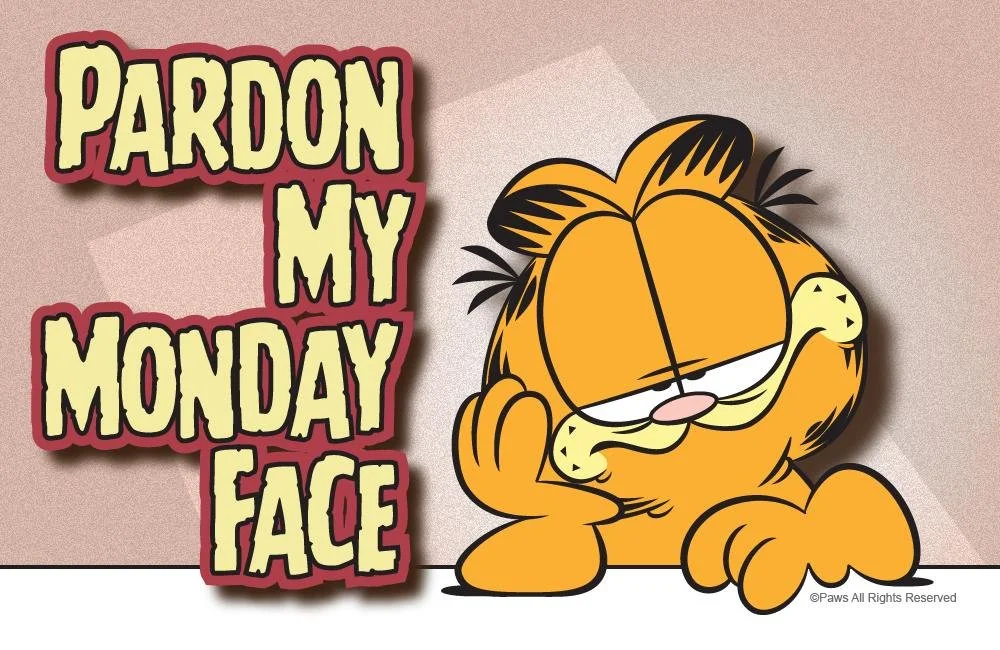
When your people say "I hate Mondays" and actually mean it, something's really broken… systemically broken. Most people hear this and think it's about workload, pay, or perks. So they add a wellness program, or launch "Fun Friday." But nothing changes. Because the problem isn't what you think it is.
The real cost
Disengagement doesn't show up on quarterly reports until it's too late. And by the time you see turnover, you've already lost your best people.
Here's what Monday dread actually costs you:
Productivity loss: Disengaged employees are 18% less productive. So, across a 1,000-person organisation, that's like losing 180 full-time employees, except you're still paying for all 1,000.
Turnover: 37% higher absenteeism. When people dread coming to work, they find reasons not to.
Innovation death: This is the biggest one IMO - It’s the ideas never shared, the problems never surfaced, or the improvements that are never suggested. Disengaged people don't speak up, they mentally check out.
Cultural contagion: We pick up on eachothers’ energy. And cynicism spreads faster than enthusiasm. One disengaged team member can poison an entire team's morale.
The annual cost of disengagement in the U.S. alone is $450-550 billion. (Learn more)
What if Monday could feel different?
Monday dread isn't about Monday really. It's about disconnection.
Disconnection from:
Purpose: Does my work have meaning? Why does my work matter?
Being heard: Does anyone listen when I speak or does it go into a black hole?
Mattering: Would anything change if I weren't here?
Clarity: Do I understand where we're going?
Trust: Do I believe leadership means what they say and say what they mean?
And you can't fix those with pizza parties long term.
The shift
Organisations that crack this focus on connection systems.
They ask:
Do our people see how their work connects to our purpose?
When people share feedback, do they see it lead to visible action?
Do our managers have the words to translate strategy into meaning?
Are our rituals creating belonging, or just filling in people’s calendars?
Connection to purpose: +20%
Initiative fatigue: -15-20%
Retention improvement: measurable
Where to start
Measure connection: Engagement surveys ask "Are you satisfied?" but connection asks "Do you think you matter here? Do you feel heard? Do you see how your work connects to something bigger?"
Close the loop: The fastest way to kill connection is to ask for feedback and do nothing with it. When people share, they're watching to see if anyone's listening. Show them you are.
Equip your managers: They're caught between leadership messaging and team reality. Give them context and conversation guides, not just talking points to cascade.
Design rituals that compound: Daily check-ins (even in GIFs) beat quarterly townhalls. Weekly wins beat annual awards. Small practices, repeated, become culture.
The bottom line
What if Monday didn't feel like Monday?
What if your people felt connected to purpose, heard by leadership, and clear on how their work matters?
That's a competitive advantage.
And it starts with asking better questions: "What's actually broken in our connection systems?"
Ready to shift from disengagement to connection?
Book a free consultation to explore what's not landing in your organisation.
